
Oral Surgery in Everett, WA
Oral Surgery Near You
Some dental problems involve damage, infection, tooth position, or bone loss that cannot be managed with routine restorative care alone. At 19th Avenue Dental, we provide oral surgery in Everett, WA to address these concerns and support the health, function, and stability of your smile.
Our established Everett practice offers surgical dental care in a familiar setting close to home. If you are looking for oral surgery near you, we will evaluate your condition, explain the available options, and help you understand why a procedure may be recommended.
What Is Oral Surgery?
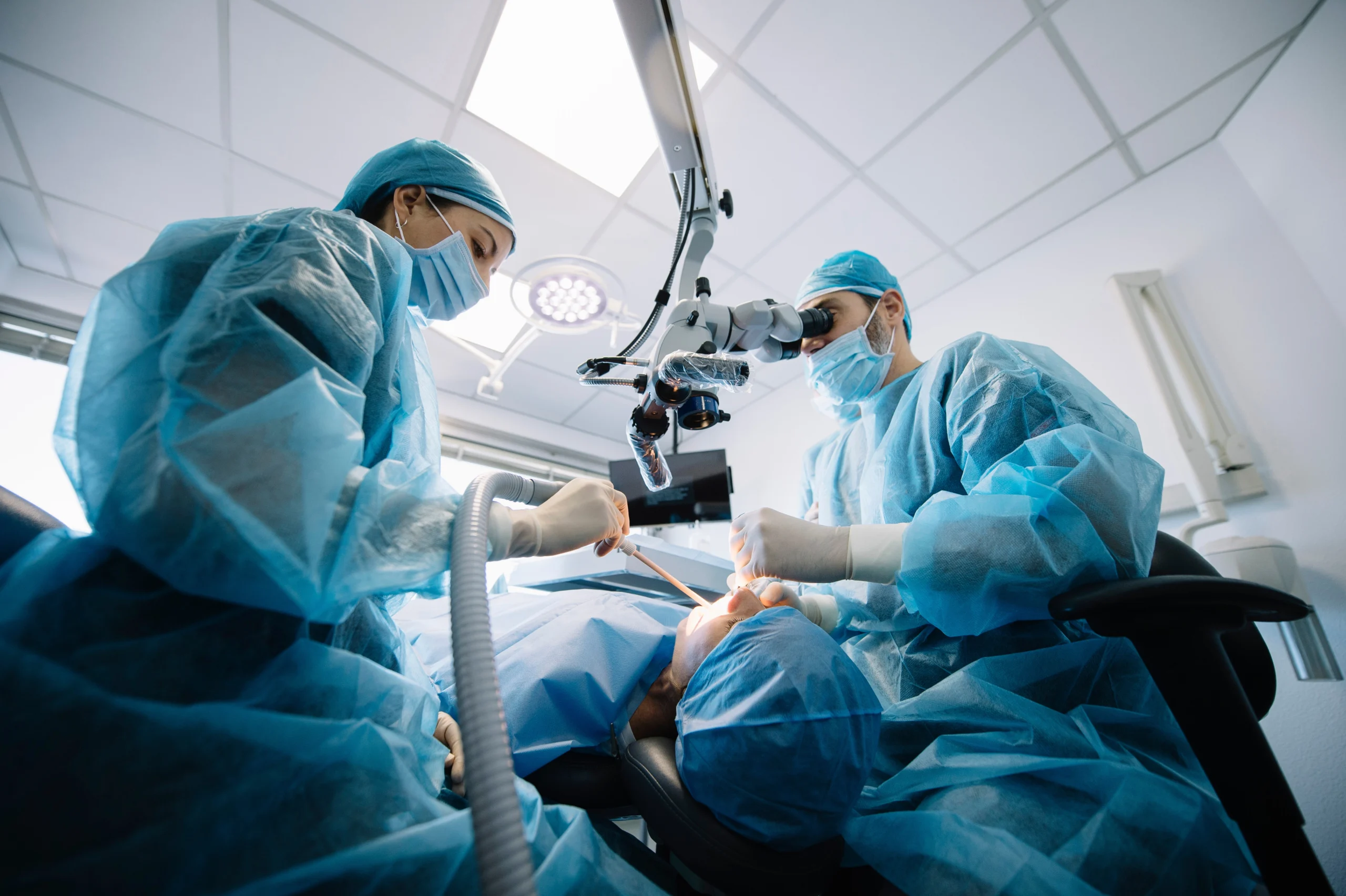
Oral surgery includes procedures involving the teeth, gums, and supporting jawbone. It may be used to remove a tooth that cannot be preserved, place a dental implant, rebuild an area of lost bone, or address an impacted tooth.
The appropriate procedure depends on the condition being treated, the health of the surrounding tissues, and the patient’s overall medical and dental history. Some complex cases may require referral to a specialist.
If you are looking for oral surgery near you, schedule an exam with our dentist in Everett, WA.
What Oral Surgery Services Do We Offer?
At 19th Avenue Dental, we offer the following treatments for oral surgery in Everett, WA:
Dental implant placement
Places an implant in the jawbone to support a future crown, bridge, or denture.
Bone grafting
Rebuilds or preserves bone in an area affected by tooth loss, infection, or injury.
Ridge augmentation
Restores the shape of the jaw ridge after bone and gum tissue have changed.
Tooth extraction
Removes a tooth that is severely damaged, infected, or unable to be restored.
Wisdom tooth removal
Removes a wisdom tooth when its position or condition threatens nearby tissues or teeth.
When Might Oral Surgery Be Recommended?
Surgical treatment is not always necessary, but delaying care may allow certain problems to worsen. Consider visiting a dentist near you for an examination if you have:
A severely damaged tooth
An impacted wisdom tooth
Recurring swelling or infection
A tooth that cannot be restored
Missing teeth requiring implants
Bone loss affecting implant placement
Persistent pain around a tooth
What Are the Benefits of Oral Surgery?
The benefits vary according to the procedure and the condition being treated. Oral surgery may help:
Remove infection that threatens nearby tissues
Relieve discomfort caused by damaged or impacted teeth
Prepare for implants by improving available bone support
Replace missing teeth with implant-based restorations
Protect nearby teeth from complications caused by tooth position
Restore oral function by addressing structural concerns
What to Expect During the Oral Surgery Process
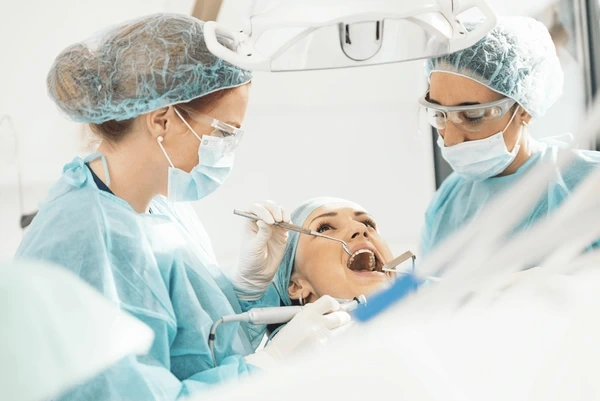
Each procedure is planned according to your diagnosis, health history, and treatment goals. When providing oral surgery in Everett, WA, we generally take the following steps:
Examination and imaging
We evaluate the treatment area and use digital X-rays when needed.
Health review
We discuss your medical history, medications, allergies, and previous dental experiences.
Treatment discussion
We explain the recommended procedure, possible alternatives, and expected recovery.
Comfort preparation
We use local anesthesia to numb the area and discuss other comfort measures when appropriate.
Surgical treatment
We complete the planned procedure while protecting the surrounding tissues.
Aftercare guidance
We provide instructions for managing discomfort, protecting the area, and supporting healing.
What to Expect After Oral Surgery
Recovery depends on the procedure performed. Mild swelling, tenderness, or limited bleeding may occur during the first few days. To protect the surgical area:
Follow medication instructions provided by our team.
Apply a cold compress if recommended to help manage swelling.
Choose soft foods and avoid chewing near the treatment site.
Avoid smoking and straws because suction can disrupt healing.
Keep the area clean according to the instructions we provide.
Contact us promptly if you develop heavy bleeding, worsening swelling, fever, or severe pain.
Why Choose 19th Avenue Dental for Oral Surgery?
Surgical dental care requires thoughtful planning, clear communication, and careful follow-up. When you choose our clinic for oral surgery, you can expect:
Long-standing local care
We have served the Everett community for more than 20 years.
PPO insurance acceptance
We accept PPO insurance plans from major carriers.
Current dental technology
Our equipment supports accurate examinations and treatment planning.
A spacious facility
Our high-end office includes 5 operatories.
Convenient community access
Our recognized local practice is easy to reach.
Fully digital systems
We use digital X-rays and charts to keep your care organized and efficient.
Schedule an Oral Surgery Consultation
A surgical procedure may help relieve discomfort, remove infection, or prepare your mouth for tooth replacement. At 19th Avenue Dental, we offer oral surgery near you with treatment plans based on your health, comfort, and long-term needs.
Call us at (425) 541-8714 or visit us at 10217 19th Ave SE #203, Everett, WA 98208, United States to schedule an examination.
FAQs
Can I eat before an oral surgery appointment?
Instructions depend on the procedure and the type of anesthesia planned. Follow the directions we provide before your appointment and contact us if anything is unclear.
Will I need someone to drive me home?
You may drive yourself after some procedures performed with local anesthesia. If another form of anesthesia or medication is used, you may need a responsible adult to take you home.
How can I reduce swelling after oral surgery?
Applying a cold compress as directed, resting with your head elevated, and following your aftercare instructions can help. Swelling may increase during the first few days before it begins to improve.
When should I contact the clinic after surgery?
Contact us if you experience uncontrolled bleeding, difficulty breathing or swallowing, fever, worsening swelling, severe pain, or any other symptom that concerns you.
How long should I wait before exercising?
Strenuous activity can increase bleeding and swelling soon after a procedure. We will tell you when it is appropriate to resume exercise based on the treatment performed and how healing progresses.