
Dental Implants in Everett, WA
Dental Implants Near You
Losing a tooth can affect how you chew, speak, and feel about your smile. At 19th Avenue Dental, we provide dental implants in Everett, WA to replace missing teeth with stable restorations designed to restore function and appearance.
Implant treatment often involves several appointments, so having care close to home can make each stage easier to manage. If you are looking for dental implants near you, our conveniently located Everett office offers personalized treatment planning for one tooth, several teeth, or a full arch.
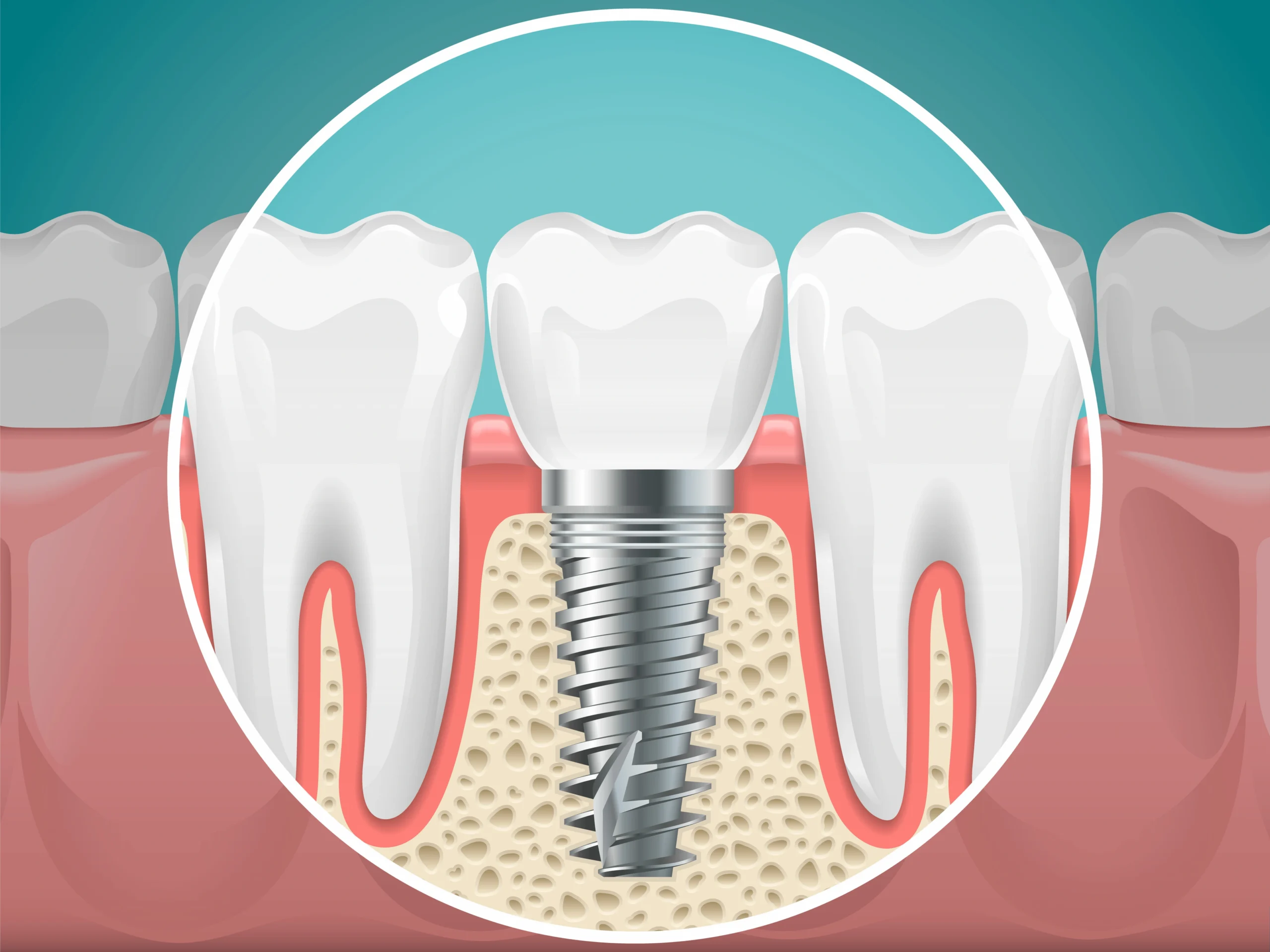
What Are Dental Implants?
A dental implant is a small post, usually made of titanium, that is surgically placed in the jawbone to replace a missing tooth root. After the surrounding bone heals around it, the implant can support a crown, bridge, or denture.
Implants do not rely on neighboring teeth for support and can help maintain stimulation in the area of the jaw where teeth are missing. However, healthy gums, sufficient bone, and good oral hygiene are important for long-term success.
If you are looking for dental implants near you, schedule an examination with our dentist in Everett, WA.
What Types of Dental Implant Treatment Do We Offer?
At 19th Avenue Dental, we offer several options for dental implants in Everett, WA:
Single-tooth implants
One implant and crown can replace a missing tooth without using the neighboring teeth for support.
Implant-supported bridges
A bridge supported by implants can replace several missing teeth in the same area.
Full-arch implant treatment
Strategically placed implants can support a fixed restoration that replaces an entire row of teeth.
Hybrid implant restorations
A fixed full-arch prosthesis can combine the stability of implants with the appearance of a complete set of teeth.
Mini dental implants
Smaller-diameter implants may be considered in selected cases, including for added denture stability.
Implant-retained dentures
Dentures can connect to implants for improved retention and less movement while eating or speaking.
The recommended option depends on the number and location of missing teeth, available bone, bite, health history, and treatment goals.
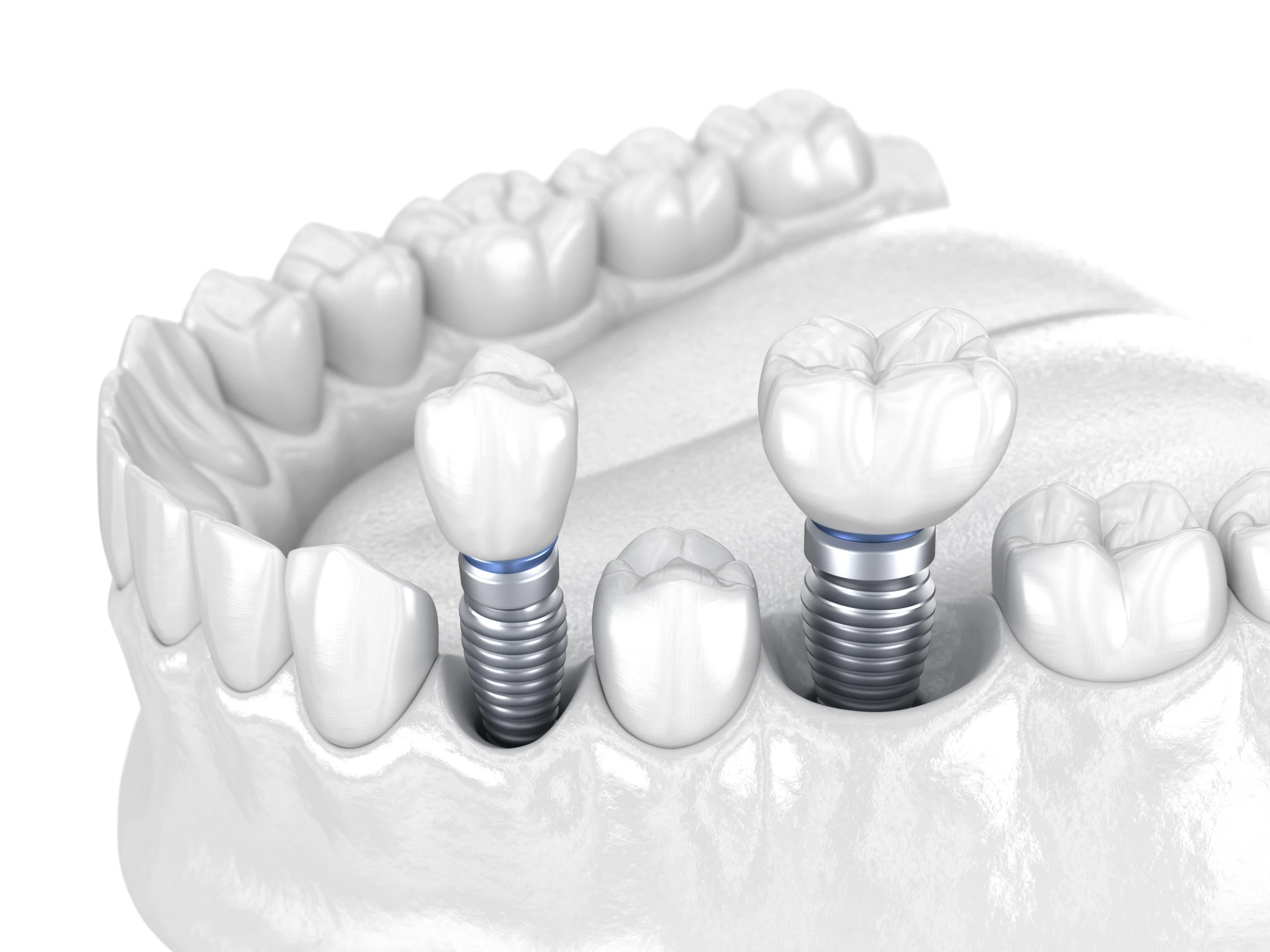
When Might You Consider Dental Implants?
Not everyone with missing teeth is automatically eligible for implant surgery. Consider visiting a dentist near you for an examination if you:
Are missing one or more teeth
Have difficulty chewing with a gap
Are dissatisfied with loose dentures
Want a fixed tooth-replacement option
Have healthy or treatable gums
Have sufficient jawbone or may benefit from grafting
Can maintain consistent oral hygiene
Do not have uncontrolled health conditions that may interfere with healing
What Are the Benefits of Dental Implants?
Depending on your needs, implant treatment may help:
Restore chewing function
Stable restorations can make eating more comfortable.
Improve appearance
Custom crowns, bridges, or dentures can be designed to resemble natural teeth.
Preserve nearby teeth
A single implant does not require the adjacent teeth to support a bridge.
Support the jawbone
Implant placement can help maintain bone stimulation in the treated area.
Stabilize dentures
Implants can reduce slipping and movement.
How Does the Dental Implant Process Work?
Implant treatment is completed in stages, and the timeline varies based on your oral health and healing. We generally follow these steps:
Completing your consultation
We review your health history, examine your mouth, and discuss your goals.
Taking digital images
We evaluate the available bone and nearby anatomical structures.
Preparing the area when needed
Bone grafting, tooth removal, or another preparatory procedure may be recommended.
Placing the implant
We position the implant in the jaw while the area is numb with local anesthesia.
Allowing time for healing
The bone gradually integrates with the implant over the following months.
Attaching the restoration
We place an abutment and custom crown, bridge, or denture after the implant is stable.
Monitoring the result
We check your bite, gum health, comfort, and cleaning routine at follow-up visits.
What to Expect After Implant Placement
Mild swelling, tenderness, or bruising can occur after surgery. Contact us if you develop worsening pain, persistent bleeding, fever, significant swelling, or any other unexpected symptoms.
To help the healing process:
Follow the instructions provided by our team.
Take any recommended medication as directed.
Eat soft foods during the initial healing period.
Avoid smoking and disturbing the surgical area.
Why Choose 19th Avenue Dental for Dental Implants?
Implant care requires detailed planning and ongoing monitoring. When you choose our clinic for dental implants in Everett, WA, you can expect:
More than 20 years of service
We have cared for the Everett community for over two decades.
PPO insurance acceptance
We accept PPO plans from major carriers.
Current dental technology
We use modern tools to support examinations and treatment planning.
A 5-operatory facility
Our high-end practice includes 5 operatories.
A convenient local office
Our established Everett location makes follow-up appointments easier to manage.
Fully digital systems
We use digital X-rays and charts to organize records and coordinate care.
Rebuild Your Smile With Dental Implants
Replacing missing teeth can improve everyday function and help you feel more comfortable with your smile. At 19th Avenue Dental, we offer dental implants near you with treatment tailored to your oral health and tooth-replacement needs.
Call us at (425) 541-8714 or visit us at 10217 19th Ave SE #203, Everett, WA 98208, United States, to schedule an implant consultation.
FAQs
How long can dental implants last?
The implant itself can remain stable for many years with good oral hygiene and regular dental care. The attached crown, bridge, or denture may eventually require repair or replacement because of normal wear.
Is dental implant placement painful?
We numb the area with local anesthesia during placement. Some soreness and swelling are common afterward but can usually be managed with the recommended home-care measures.
How long does implant treatment take?
The timeline varies depending on your bone condition, healing process, the number of implants needed, and whether bone grafting is required. Treatment commonly takes several months from implant placement to the final restoration.
Can I receive an implant immediately after a tooth is removed?
Sometimes. Immediate placement depends on the condition of the socket, available bone, infection risk, and implant stability. In other cases, the area must heal first.
Can dental implants develop problems like natural teeth?
Implants cannot develop cavities, but the surrounding gums and bone can become inflamed or infected. Daily cleaning and regular professional care remain essential.